
- Search
- Dubai24 ° C


5 Myths About Prostate Cancer—Debunked
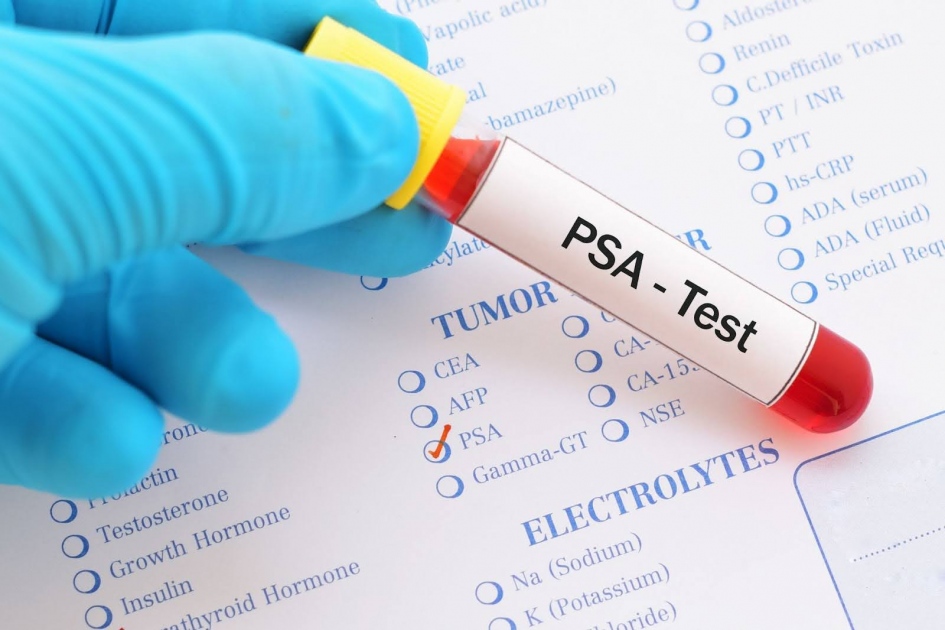
November marks Prostate Cancer Awareness Month in the Middle East and worldwide—a time to raise awareness, encourage screening, and start open conversations about men’s health. Prostate cancer is one of the most common cancers in men, but when detected early, it is highly treatable. Understanding the facts can help men make informed decisions and take control of their health.
We sat down with Dr. Khalil Hetou to debunk five common myths about prostate cancer. He is a consultant in urology and urologic oncology at Johns Hopkins Aramco Healthcare, specialising in minimally invasive treatments for urologic cancers. As a prostate cancer surgeon himself, he brings practical, insider insight to the conversation.
Q: Dr. Hetou, is it true that men without symptoms don’t need to be screened for prostate cancer?
A: Not really. Prostate cancer often doesn’t cause symptoms in its early stages, so waiting to feel something isn’t the best approach. A simple Prostate-Specific Antigen (PSA) test can provide you and your doctor with helpful information early on, when issues are usually easier to treat. Screening is just about staying on top of your health, not because something is wrong.
The American Urological Association recommends that men aged 45-50 discuss PSA screening with their doctor and make a shared decision. Men at higher risk—like those with a family history of prostate cancer —should start this conversation at age 40–45. [a]
Q: Does a prostate biopsy cause cancer to spread?
A: That’s simply not true. Modern biopsy techniques are safe, and no studies show a link between prostate biopsy and cancer spread. Biopsies are essential—they confirm the diagnosis, clarify how aggressive the cancer is, and guide the best treatment plan.
Q: If I did a PSA test once, then I don’t have to do it again?
A: No, a single PSA only reflects risk at that moment. PSA levels change over time, so regular testing, correctly timed for age and risk, is crucial for early detection and the best chance of a favorable outcome.
Q: Does every prostate cancer patient need therapy?
A: Not always. Many low-risk cancers can be managed safely by active surveillance—no immediate treatment, but careful monitoring. This avoids unnecessary therapies while keeping patients safe, with management personalized by a multidisciplinary team at centres of excellence.
Q: Will all patients suffer incontinence after treatment?
A: Most men maintain urinary function, especially when care is provided by experienced, high-volume teams. Modern surgical and radiation techniques have significantly improved outcomes. Choosing an experienced surgeon and centre matters more than technology alone.
Q: What’s your final advice for men considering screening?
A: Prostate cancer screening is about strength and responsibility. Understanding the facts, working with experienced teams, and seeking care at specialised centres give men the best outcomes and reasons for optimism. Early detection truly opens the door to effective treatment and long-term well-being.


Cyberani by Aramco Digital and KPMG Join Forces to Build Saudi Arabia’s Cybersecure Future at Black Hat 2025
Monday 8 December, 2025 12:00

East Pipes signs SAR 485M contract with Saudi Water Authority
Monday 8 December, 2025 11:29

Ishan Shivanand’s bestseller The Practice of Immortality captivates audiences at Sharjah Book Fair 2025
Monday 8 December, 2025 1:15