
- Search
- Dubai24 ° C


Flower routes in the UAE for travel
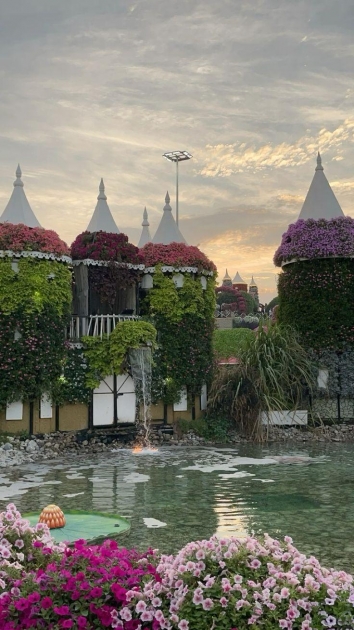
Flower routes in the UAE for travel sound like a contradiction — until you actually see them. Picture this: you're winding through a rocky mountain pass in Ras Al Khaimah, and suddenly a burst of yellow and purple wildflowers carpets the valley floor. Or you're standing in the middle of a 72,000-square-metre garden in Dubai, surrounded by 150 million blooms arranged into castles, airplanes, and heart-shaped tunnels. The desert, it turns out, has a dramatic flair for flowers. And if your travels leave you thinking of someone far away — whether family or friends back in America — you can easily send flowers to USA from UAE and surprise them with a fresh bouquet, no matter the distance.
This guide is for flower lovers who want to explore the UAE's most stunning botanical destinations and maybe send a beautiful bouquet to someone special along the way. You'll find the best floral spots across all seven emirates, practical travel tips, the ideal season to visit, and a few insider tricks for keeping flowers alive in the UAE heat.
Why the UAE surprises every flower lover who travels here
Flower routes in the UAE for travel catch people off guard — and that's precisely the magic. Most visitors expect sand, skyscrapers, and malls. What they don't expect is a country that has invested billions of dirhams into transforming arid land into lush, blooming landscapes. The UAE treats horticulture as a national ambition, not a hobby.
The national flower tells you everything you need to know. Tribulus omanense — a small, resilient bloom that pushes through rocky desert soil — symbolises strength, perseverance, and a deep connection to the land. You'll spot it growing wild in the Hajar Mountains, quietly proving that flowers and deserts are not opposites.
Here's the thing: timing matters. The golden window for flower travel in the UAE runs from November to April. Temperatures during those months sit comfortably between 18 °C and 30 °C, outdoor gardens open their gates, and mountain wildflowers bloom after seasonal rains. Step outside that window and the heat shuts most outdoor attractions down. Plan smart, and the UAE will reward you with floral experiences you won't find anywhere else on Earth.
Dubai Miracle Garden — the iconic first stop on any flower route in the UAE
Flower routes in the UAE for travel almost always begin here, and for good reason. Dubai Miracle Garden holds the title of the world's largest natural flower garden, and honestly, no photo does it justice.
What makes Dubai Miracle Garden unique
• The garden spans over 72,000 square metres and displays more than 150 million flowers in constantly evolving designs.
• Floral installations include the famous Emirates A380 (a life-size airplane covered entirely in flowers), a Floral Castle, Smurfs Village, the Heart Tunnel, a Sunflower Field, the Umbrella Passage, and a Floating Lady sculpture.
• Dubai Butterfly Garden sits right next door and houses over 15,000 butterflies across multiple climate-controlled domes — you can grab a combo ticket and visit both in a single trip.
How to get to Dubai Miracle Garden
• The garden sits in Al Barsha South 3, within the Dubailand area.
• By metro and bus: you take the Red Line to Mall of the Emirates station, then catch bus route 105 directly to the garden entrance.
• By taxi or ride-hailing app: the drive from Downtown Dubai takes roughly 25 minutes, depending on traffic.
• The garden offers free on-site parking for visitors who drive.
• General admission costs approximately 100 AED for adults; children under 3 enter free.
Best time and practical tips for visiting
• The season typically opens mid-November and closes mid-May.
• Weekday mornings before 12:00 give you the smallest crowds and the best photo opportunities.
• You'll walk 3–4 km easily, so wear comfortable shoes.
• Bring a refillable water bottle — the Dubai sun hits hard even in winter months.
• Evening visits offer cooler temperatures and beautiful landscape lighting that transforms the garden entirely.
The Flower Farm in Asima — a hidden gem on the flower route in the UAE
Flower routes in the UAE for travel don't stop at manicured gardens — some of the best moments happen off the beaten path. The Flower Farm in Asima, tucked into the mountains of Ras Al Khaimah emirate, is exactly that kind of place.
The farm blooms spectacularly from December to March. Rows of marigolds, petunias, sunflowers, and other seasonal varieties stretch across terraced plots against a backdrop of rugged mountain rock. Visitors can buy fresh and dried flowers directly from the farm, and the prices tend to be surprisingly gentle on your wallet.
By the way, the drive itself is half the experience. The road winds through the Hajar Mountains, offering jaw-dropping views at every turn. Pack a camera and allow extra time for stops along the way.
A few practical notes: the farm typically charges no entry fee. Bring cash, since card payment isn't always available. Arrive early in the morning for the widest selection of fresh blooms. And if you love a quieter, more authentic floral experience — far from the tourist crowds — this spot belongs on your shortlist.
Abu Dhabi's green spaces — flower routes beyond Dubai
Flower routes in the UAE for travel extend well beyond Dubai's borders, and Abu Dhabi offers some genuinely beautiful stops that many travellers overlook.
Umm Al Emarat Park
• Umm Al Emarat Park covers 20 hectares right in the heart of Abu Dhabi.
• The park features themed gardens, a dedicated botanical garden section, a shade house filled with native plants, and a children's garden.
• Entry costs around 10 AED — one of the best-value green spaces in the capital.
Al Ain Oasis
• Al Ain Oasis holds UNESCO World Heritage Site status, and it earns every bit of that recognition.
• The oasis contains over 147,000 date palms alongside fruit trees and flowering plants that thrive in the natural falaj irrigation system.
• You enter free of charge, and the oasis opens daily.
• Walking paths stretch over 3 km through shaded groves — a welcome escape from the sun.
Corniche flower beds and seasonal displays
• Abu Dhabi Municipality plants thousands of seasonal flowers along the Corniche every winter.
• The displays peak between November and March, creating a vibrant backdrop for a morning walk or a cycling trip along the waterfront.
One more thought: if eco-travel matters to you (and it should), these spots make it easy to tread lightly. Use public transport where possible, carry a reusable water bottle, and support the sustainable attractions that make the UAE's green ambitions real.
Ras Al Khaimah and Fujairah — mountain flower routes in the UAE for travel
Flower routes in the UAE for travel reach their wildest — literally — in the Hajar Mountain range that runs through Ras Al Khaimah and Fujairah. After seasonal rains, typically between December and February, these rugged landscapes transform.
Valleys like Wadi Shawka and Wadi Al Bih erupt with native wildflowers. Rocky slopes around Jebel Jais — the UAE's highest peak at 1,934 metres — show off delicate blooms that most people never associate with this country. You might spot Tribulus omanense growing stubbornly between the stones, its small yellow flowers a quiet symbol of national pride.
What amazes me about these trails is the contrast. One moment you're scrambling over dry gravel; the next, a cluster of desert lavender or wild chrysanthemums appears at your feet. It feels earned in a way that a manicured garden never quite matches.
Tips for mountain flower hikes:
• Wear sturdy hiking shoes with proper ankle support — the terrain is uneven and rocky.
• Start your hike before 08:00 to avoid the midday heat, which can spike even in winter.
• Carry at least 2 litres of water per person for every planned hike.
• Respect the environment — never pick wildflowers, as it damages fragile desert ecosystems and can carry fines.
Sharjah and Al Ain botanical attractions worth adding to your route
Flower routes in the UAE for travel gain extra depth when you add Sharjah and Al Ain to your itinerary. Both destinations offer something distinct from Dubai's blockbuster gardens.
Sharjah's Al Noor Island
• Al Noor Island sits on Khalid Lagoon in central Sharjah — a public art and nature destination that blends landscaped gardens, sculptural light installations, and a butterfly house under one concept.
• The butterfly house alone shelters hundreds of free-flying species in a lush, climate-controlled environment.
• Entry costs approximately 15 AED, making it an affordable and photogenic stop.
Al Ain Paradise Garden (seasonal)
• Al Ain Paradise Garden operates as a smaller, charming alternative to Dubai Miracle Garden.
• The garden showcases floral arches, pyramids, and wall displays across a compact layout that you can comfortably explore in 1–2 hours.
• Cooler months — November through March — offer the best visiting conditions.
When to travel the flower routes in the UAE — a seasonal guide
Flower routes in the UAE for travel follow a clear seasonal rhythm. Here's your quick reference:
• November–January: Dubai Miracle Garden opens its gates. Wildflowers begin appearing in the mountains. Abu Dhabi Corniche flower beds reach their peak. Temperatures hover between 18 °C and 25 °C — perfect for outdoor exploration.
• February–March: The Flower Farm in Asima hits full bloom. Hajar Mountain wildflowers burst out after rains. Hiking weather sits at its absolute best.
• April–May: The last weeks of Miracle Garden season arrive. Temperatures start climbing past 30 °C. Early morning visits become essential.
• June–October: Most outdoor flower attractions close or go dormant. Indoor botanical spaces — Butterfly Gardens, hotel lobbies, mall installations — still offer floral beauty for those visiting during the hot months.
How to send flowers while travelling across the UAE
Flower routes in the UAE for travel aren't just about seeing blooms — sometimes you want to share them. Maybe you're exploring Dubai Miracle Garden and wish your mother could see it. Or you just arrived in Abu Dhabi for a conference and want to surprise your partner back at the hotel with something beautiful.
That's where MyGlobalFlowers comes in. Here's how the process works:
• You place an order online from anywhere — your hotel room, a mountain trail, even the airport lounge.
• A local florist in the destination city assembles the bouquet from fresh, locally available flowers.
• The courier hand-delivers the arrangement to the address you choose.
• The delivery fee calculates individually at checkout based on location and timing — no hidden surprises.
• Bouquets may differ slightly from website photos because the florist selects the freshest available flowers, matching the overall style and value. Honestly, that's the beauty of a hand-crafted arrangement — every bouquet becomes one of a kind, not a factory copy.
Occasions that matter here in the UAE:
• Ramadan: elegant white or green arrangements mark the holy month with grace.
• Eid al-Fitr and Eid al-Adha: celebratory bouquets in bright, joyful colours set the right festive tone.
• UAE National Day (2 December): red, green, white, and black themed arrangements show national pride.
• Birthdays, anniversaries, congratulations: these remain year-round favourites that never go out of style.
• Corporate gifting: UAE business culture values tasteful gestures, and a well-chosen arrangement makes a strong, lasting impression.
Keeping flowers fresh in the UAE climate — practical care tips
Flower routes in the UAE for travel might inspire you to bring home a bouquet or receive one at your hotel — and now you face the UAE's unique challenge. The heat outside and the air conditioning inside both work against fresh flowers. Here's exactly what to do:
• Trim 2–3 cm off the stems at a diagonal as soon as you receive the bouquet. A fresh cut opens the water channels.
• Change the water every single day — bacteria multiply fast in warm climates, and cloudy water kills flowers faster than heat does.
• Keep flowers away from direct sunlight and away from AC vents. The cold, dry air from air conditioning dehydrates petals just as quickly as the desert sun does.
• Place the vase in the coolest room available, ideally between 18 °C and 22 °C.
• Remove wilting leaves or petals immediately — dying plant matter releases ethylene gas, which accelerates decay in the surrounding blooms.
• Add flower food if the florist provided a sachet. No sachet? A teaspoon of sugar and a few drops of lemon juice in fresh water works surprisingly well.
Common mistakes flower travellers make in the UAE — and how to avoid them
Flower routes in the UAE for travel reward planning and punish spontaneity in equal measure. Here are the mistakes I see people make again and again:
1. Visiting outdoor gardens in summer. Most flower attractions close between June and October. Always check opening dates before you book flights or hotels around a garden visit.
2. Going at midday. Temperatures at noon can exceed 35 °C even in "winter" months. Arrive before 10:00 or after 16:00 for comfortable temperatures and dramatically better photos.
3. Not carrying water. Dehydration sneaks up fast in dry desert air. Bring at least 1 litre per person for every 2 hours you plan to spend outdoors.
4. Picking wildflowers. It's disrespectful to the fragile desert ecosystem, and authorities can issue fines. Photograph them instead — your camera captures beauty without causing harm.
5. Leaving flower delivery to the last minute for holidays. During Eid and UAE National Day, local florists handle massive order volumes. Place your order at least 2–3 days in advance to guarantee availability.
6. Placing delivered flowers near a window. In the UAE, window-side temperatures can soar past 45 °C. Your bouquet will wilt within hours. Move the vase to an interior table, away from both glass and AC vents.
Final thoughts
Honestly, few places on earth combine desert landscapes with this level of floral ambition. The UAE doesn't just grow flowers — it stages them, celebrates them, and weaves them into a national identity built on the idea that nothing is impossible. From the 150 million blooms at Miracle Garden to a single Tribulus omanense pushing through mountain rock, the story is the same: beauty thrives wherever someone commits to nurturing it.
I recommend planning at least one dedicated flower route into your next UAE trip. Whether you choose the blockbuster gardens of Dubai, the mountain farms of Ras Al Khaimah, or the peaceful oasis paths of Al Ain, you'll come away with a completely different understanding of what this country is about.
And if you want to share the experience with someone who couldn't join you, browse the MyGlobalFlowers catalogue and let a local florist put together something beautiful. A bouquet delivered to the right person at the right moment turns a great trip into an unforgettable one.
Which flower spot in the UAE surprised you the most — or which one is next on your list?
Frequently asked questions
What is the best time of year to explore flower routes in the UAE?
The ideal window runs from November to April. Temperatures stay between 18 °C and 30 °C, outdoor gardens are open, and mountain wildflowers bloom after seasonal rains.
How much does it cost to visit Dubai Miracle Garden?
General admission costs approximately 100 AED for adults. Children under 3 enter free. A combo ticket with Dubai Butterfly Garden is also available at a slightly higher price.
Can I send flowers to someone in the UAE while I'm travelling?
Yes. MyGlobalFlowers lets you place an order online from anywhere. A local florist in your recipient's city assembles and hand-delivers the bouquet. The delivery fee calculates at checkout based on location and timing.
Are there flower routes outside of Dubai?
Absolutely. Abu Dhabi offers Umm Al Emarat Park and Al Ain Oasis. Ras Al Khaimah has the Flower Farm in Asima and Hajar Mountain wildflower trails. Sharjah's Al Noor Island is another great stop worth your time.
How do I keep flowers fresh in the UAE heat?
Change the water daily, trim stems every two days, keep the vase away from direct sunlight and AC vents, and place flowers in a room between 18 °C and 22 °C. Remove wilting petals immediately to prevent ethylene buildup.
Is Dubai Miracle Garden wheelchair accessible?
Yes. The garden's pathways are paved and accessible throughout. Staff members offer wheelchairs for rent at the entrance on a first-come, first-served basis.


PIF near to get EU nod for Electronic Arts acquisition: Report
Sunday 19 July, 2026 7:05
Mawani signs SAR 1B logistics deals in Jeddah
Sunday 19 July, 2026 7:04
Modon Holding and Nammos Hotels & Resorts bring Nammos Ras El Hekma to Egypt’s North Coast
Sunday 19 July, 2026 6:40
Modon records AED1.25 billion in sales from final phase of Bashayer
Sunday 19 July, 2026 6:34
NBQ reports AED271 million profit in first half of 2026
Sunday 19 July, 2026 6:58